
SANDAKAN – Human and other waste discharged into the waters here poses a serious threat to the health of residents and the marine ecosystem, warned Future Alam Borneo (FAB) a mere two weeks into its year-long research conducted in two areas.
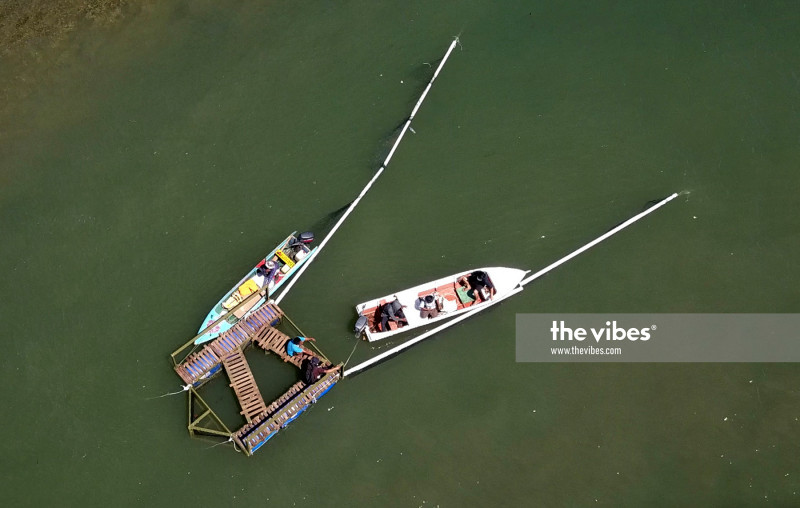
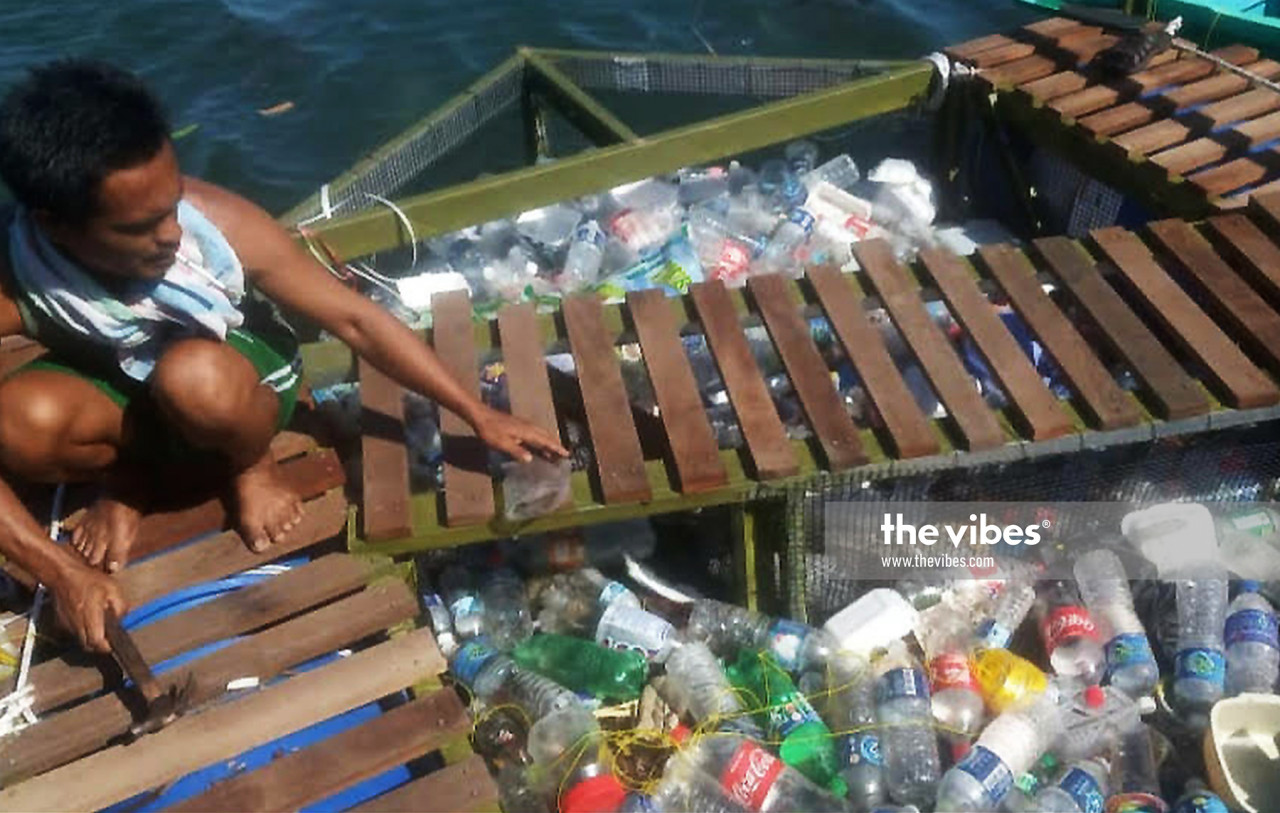
Under the non-governmental organisation’s Sandakan Plastic Solutions Project, a litter trap was set up on Pulau Berhala on October 9 to determine the types of rubbish thrown into the sea.
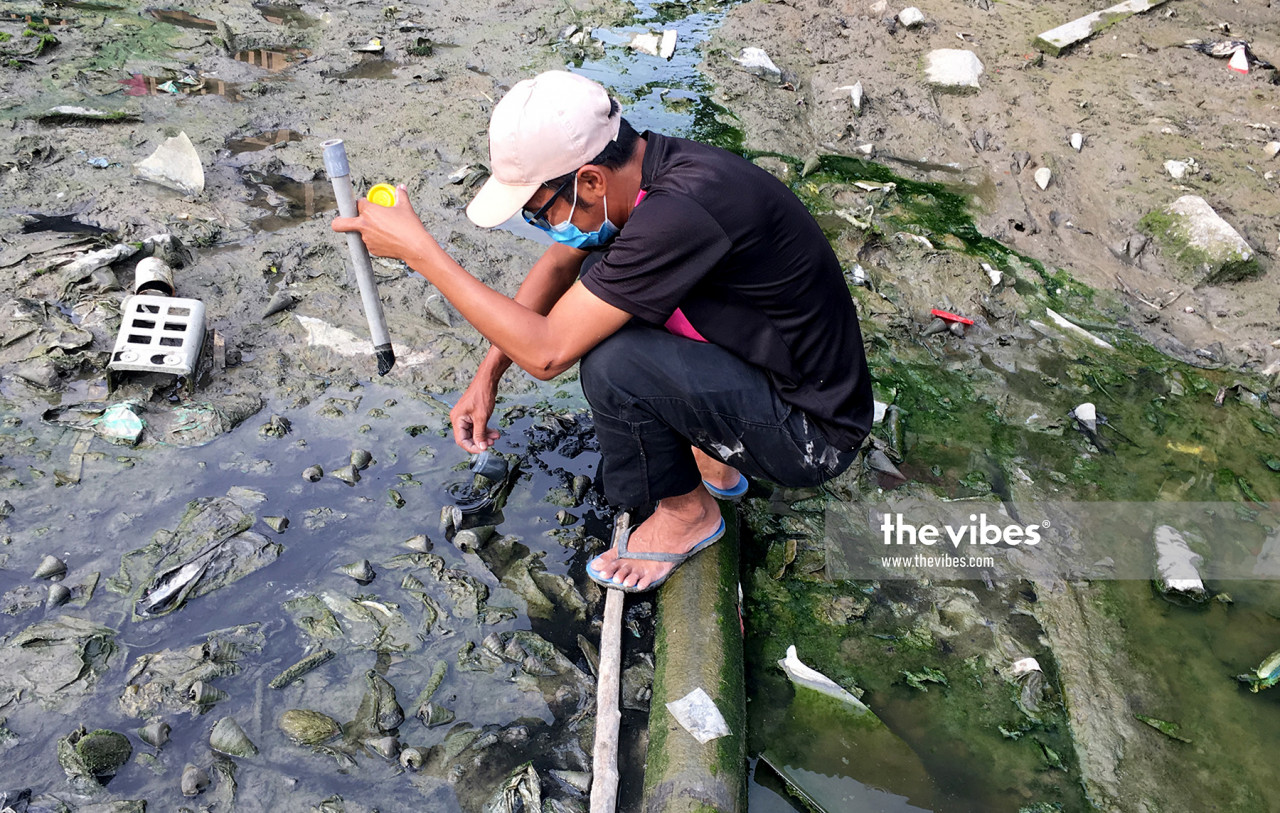
Meanwhile, in the Sim-Sim water village at Mile 1½, FAB collected water and sand samples to be tested at independent laboratories, with the aim of better understanding the impact of “invisible waste” in the area.
FAB chairman Anton Ngui said the preliminary results paint a very worrying picture of the pollution situation along the district’s coastline.
“Water and sediment tests done in the Sim-Sim village showed deposits that are harmful to human and marine ecosystem health.
“From coliform bacteria tests, we found the faecal coliform and E. coli bacteria, especially within the vicinity of houses, to be highly elevated.
“Faecal coliform in the village is 200 times more than the permitted level set by the Malaysian Marine Water Quality Standards.
“In 2013, the Department of Environment set discharge standards for treated sewage that goes into Malaysian waters from proposed environmental impact assessment projects located on recreational or tourist beaches – the E. coli count must not exceed 300 CFU (colony-forming unit) per 100ml.
“In Sim-Sim village, the E. coli count is nine times higher at 2,800CFU/100ml.”
This can be attributed to the lack of a sewage system, he said, adding that the issue is common in water villages.
Also found in the samples taken from the Sim-Sim village are plastic polymers from nylon, latex, polyurethane, cellulose acetate and acrylic, among others.
“The sources of these microplastics are likely ropes, nets, tyres, plastic bags, bottles, the coating from wires and other household appliances – items that are often seen strewn about the village,” said Ngui.
FAB took samples from the Kg Rumah Murah area, which has about 300 homes, in the Sim-Sim village.
The Sim-Sim village has three areas, with the other two being Kg Berhala Darat and Kg Melayu Bumiputera. In total, there are about 800 houses.
Ngui said checks on the litter trap after the first week revealed huge amounts of polystyrene food packaging and water bottles. Both items are very difficult, if not impossible, to recycle.
He said the Sandakan Plastic Solutions Project, which has the support of Yayasan Hasanah and Dutch NGO Clear Rivers, aims to offer solutions to the community, as well as educate residents on the risks posed by the rubbish.
“From the findings, we can say that the coastline in Sandakan could pose a health risk to residents. The impact of the waste on the natural environment and marine ecosystem that the community relies on cannot be underestimated.
“With the pandemic, people are spending more time at home and buying more packaged goods.”
FAB hopes for machines that can recycle plastics, turning the used materials into new products, he said.
“But for now, we will try to engage with the residents on Berhala Island and in Kg Rumah Murah to get them involved in the setting up of litter traps. We hope to get as many people as possible involved, and we are looking at designing new products from the recycled materials.”
He added that producers of single-use packaging and water bottles should bear some responsibility for the pollution. – The Vibes, October 25, 2020